27 Side Table Decor Tricks That Instantly Class Up Any Living Room
Disclosure : This post may contain affiliate links or paid partnerships. I may earn compensation if you click a link or make a purchase, at no additional cost to you. See my disclosure for more info.
You stare at your side table right now, and something feels off.
You can’t quite put your finger on it. But the whole corner of your living room looks… meh.
Maybe it’s the sad little coaster sitting there alone. Or the random pile of mail you keep meaning to deal with. Or nothing at all — just a bare, forgotten surface collecting dust.
Here’s the uncomfortable truth.
Your side table is the most underrated piece of furniture in your entire living room. And you’re probably treating it like a parking lot for your phone charger.
That ends today.
Because what you place on that small surface — and how you place it — can make your living room look like it belongs in a design magazine. Or like a college dorm.
No exaggeration.
I’m about to give you 27 tricks that transform a forgettable side table into a showstopper. No design degree required. No $500 shopping spree. Just smart, intentional choices.
Let’s go.
The Foundation: Get the Basics Right First
1. Clear the clutter before you decorate anything.
This is rule zero. Non-negotiable.
If your side table is buried under old magazines, half-empty water glasses, and a tangle of charging cables, no amount of styling will save it.
Strip it bare. Wipe it down. Start fresh.
You can’t build something beautiful on top of a mess.
2. Stick to the rule of three.
Designers obsess over this principle. And for good reason — it works.
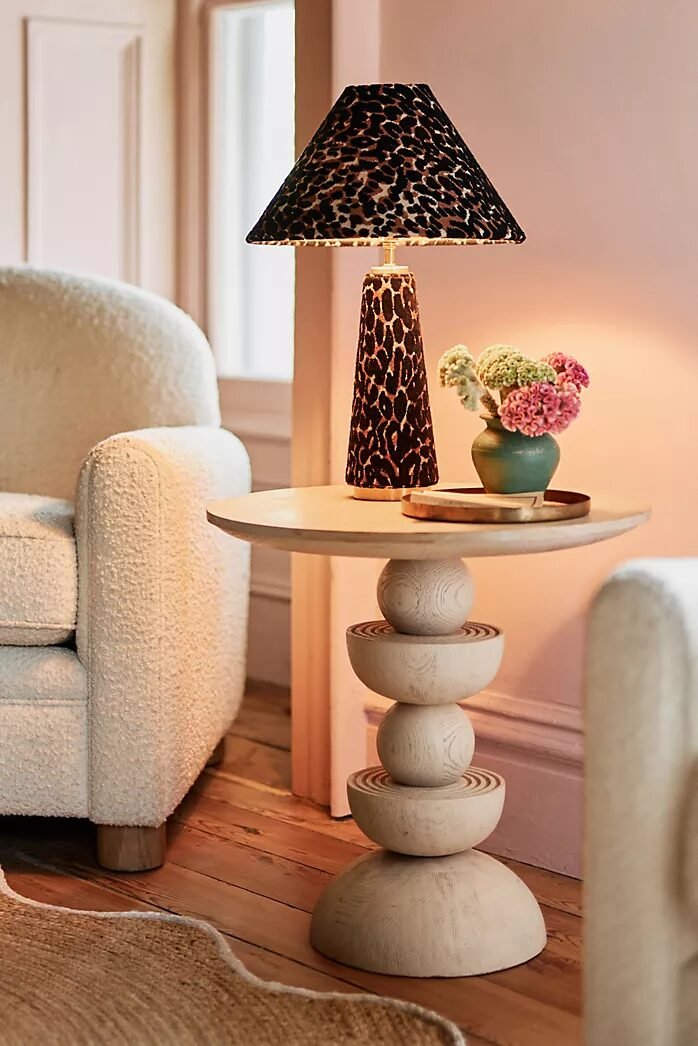
Group three items of different heights together. Your eye naturally finds it pleasing. A lamp, a small plant, a candle. Done.
More than five objects? You’ve got a yard sale, not a side table.
3. Play with varying heights.
Everything the same height looks flat. Dead. Boring.
You want a tall element, a medium one, and something low. Think of it like a tiny skyline. A stack of books topped with a small object creates instant height without buying anything new.
4. Anchor the arrangement with one statement piece.
Every side table needs a hero. One item that draws the eye first.
A sculptural vase. A bold lamp. A striking clock.
Everything else plays backup. If every item screams for attention, nothing gets noticed.
Lighting That Changes Everything
5. Ditch the overhead light — use a table lamp instead.
Overhead lighting flattens a room. It kills atmosphere.
A warm-toned table lamp on your side table creates depth, shadow, and mood. The whole room shifts. Suddenly your living room feels like a place where grown-ups live.
6. Try a rechargeable LED lamp for cordless freedom.
Cords are ugly. Let’s not pretend otherwise.
A cordless LED lamp sits clean on your surface. No tangled wires ruining your setup. You can move it anywhere without hunting for an outlet.
7. Layer a candle beside your lamp.
One light source is functional. Two light sources? That’s ambiance.
A candle next to a lamp creates a warm, flickering glow that makes any room feel more intentional. Even if the rest of your place is chaos.
The Art of Stacking and Layering
8. Use a stack of two or three books as a riser.
Coffee table books aren’t just for coffee tables.
Stack two or three on your side table. Place a small decorative object on top — a candle, a tiny sculpture, a geode.
Instant sophistication. And it costs you nothing if you already own the books.
9. Choose books with spines that match your color palette.
Nobody talks about this. But it matters.
A neon yellow spine in the middle of your calm, neutral setup is a visual slap. Pick books whose covers and spines complement your room’s tones. Or turn them spine-in for a clean, uniform look.
10. Layer a small tray underneath your display.
A tray does something magical. It groups random objects into a cohesive arrangement.
Suddenly, a candle, a small plant, and your reading glasses don’t look scattered. They look curated. Like you meant to do that.
Round tray on a square table. Square tray on a round table. The contrast sharpens the look.
Bringing Nature to the Surface
11. Add one living element.
A small potted plant. A single stem in a bud vase. A tiny succulent.
Life on a surface changes everything. It breaks the monotony of hard, manufactured objects. It breathes. Literally.
Don’t overthink the species. A simple pothos cutting in water looks elegant.
12. Try dried flowers or pampas grass for zero maintenance.
Not a plant person? No judgment.
Dried eucalyptus or a few stems of pampas grass give you that organic texture without any watering schedule. They last for months.
Just avoid the dusty silk flowers from 2003. You know the ones.
13. Place a small branch or piece of driftwood for raw texture.
This one surprises people.
A weathered piece of driftwood or a sculptural branch adds an organic, gallery-like quality to your table. It’s unexpected. And unexpected is what makes people look twice.
Texture and Material Play
14. Mix at least two different materials.
All ceramic? Flat. All wood? Predictable.
Pair a ceramic vase with a brass candle holder. Set a glass object next to a woven basket. The contrast between materials creates visual richness without adding clutter.
15. Add something woven or textile.
A tiny woven coaster under a vase. A folded linen napkin as a base. A macramé plant hanger draped off the edge.
Textiles soften the hard edges. They add warmth that hard surfaces can’t provide on their own.
16. Introduce one metallic accent.
Gold, brass, copper, brushed nickel — pick one.
A single metallic element reflects light and adds a subtle gleam that elevates the entire arrangement. A brass picture frame. A copper candle snuffer. A gold-rimmed trinket dish.
One is elegant. Five is a jewelry store.
Personal Touches That Tell Your Story
17. Display one meaningful object.
A stone from a trip you took. A vintage watch that belonged to your grandfather. A ceramic piece you bought at a local market.
This is what separates a decorated table from a styled table. The personal artifact that makes a guest say, “Oh, where’d you get that?”
18. Lean a small framed photo or art print against the wall.
You don’t need to hang it. Just lean it.
A 4×6 or 5×7 framed print resting against the wall behind your side table adds a gallery feel. It’s casual, effortless, and infinitely adjustable.
Swap it with the seasons. Swap it with your mood.
19. Place a tiny dish for everyday items.
Here’s where function meets style.
A beautiful small dish — ceramic, marble, hammered brass — gives your keys, rings, or earbuds a designated landing pad.
No more clutter pretending to be decor. Your everyday items become part of the arrangement.
Scale, Proportion, and Spacing
20. Don’t fill every inch of the surface.
This is where most people go wrong. They keep adding until the table groans under the weight of good intentions.
Negative space is your secret weapon. Leave at least a third of the surface empty.
Breathing room makes everything on the table look more important. More deliberate.
21. Match the scale of your decor to the size of the table.
Giant vase on a tiny table? It looks like the table is struggling to survive.
Tiny figurine lost on a massive surface? Sad.
Your objects should feel proportional. If the table is petite, go with smaller, delicate items. If it’s substantial, you can handle bolder, larger pieces.
22. Let the tallest item be no more than 1.5 times the height of the lamp shade.
This keeps your arrangement from looking top-heavy or chaotic.
It’s a subtle rule. But follow it once, and you’ll see why designers never break it.
The Finishing Touches That Separate Amateurs From Pros
23. Add a scented element.
Your side table can engage more than just sight.
A subtly scented candle or a reed diffuser adds an invisible layer of luxury. When someone sits on your sofa and catches that soft scent, they feel something. They can’t name it. But they feel more comfortable.
That’s good design. It’s multi-sensory.
24. Swap one item seasonally.
You don’t need to redo the whole table four times a year.
Change one single item per season. A pumpkin-spiced candle in fall. A small pine sprig in winter. A fresh flower in spring. A shell in summer.
Small rotation. Big impact. Your living room stays alive.
25. Use a coaster or small pedestal to elevate a key piece.
Taking one object and raising it — even by an inch — creates visual hierarchy.
A marble coaster under a candle. A tiny wooden pedestal under a vase. It signals: “This item matters.”
It’s a designer trick that costs almost nothing but looks deliberate and polished.
26. Edit ruthlessly every month.
Here’s the trick nobody tells you.
Side table styling isn’t a one-time event. It’s an ongoing habit. Once a month, look at your table with fresh eyes.
Does anything look tired? Remove it. Does something new deserve a spot? Rotate it in.
The best side tables evolve. They’re never frozen in time.
27. Step back and look at it from across the room.
You styled your side table up close. Great.
Now walk to the opposite side of the living room. Sit on the facing chair. Look at it from the doorway.
Does it still hold up? Does it draw your eye in a good way?
That’s the real test. Because your side table doesn’t exist in a vacuum. It exists in the context of your entire room.
If it looks intentional from ten feet away, you’ve nailed it.
Now, Go Make It Happen
Here’s what’s going to happen.
You’ll read this article. You’ll think, “That’s great, I should try some of these.” And then you’ll put your phone down and forget about it by tomorrow.
Don’t do that.
Pick three tricks from this list. Just three. Apply them tonight. It’ll take you fifteen minutes, tops.
You already own most of what you need. A book. A candle. A plant cutting from the kitchen windowsill.
The difference between a living room that looks thrown together and one that looks effortlessly elegant isn’t money. It’s not a professional designer.
It’s intention.
Every object you place on that little table is a choice. Start making those choices on purpose, and your entire room transforms.
Your side table has been waiting for this. Give it the attention it deserves.
And next time someone walks into your living room and says, “Wow, this place looks amazing” — you’ll know exactly which 27 tricks made it happen.