The Glow-Up You Need: 12+ Ambient Lighting Bedroom Tips That Actually Work
Disclosure : This post may contain affiliate links or paid partnerships. I may earn compensation if you click a link or make a purchase, at no additional cost to you. See my disclosure for more info.
You walk into your bedroom after a long day.
You flip the switch.
And that single overhead light floods the room like an interrogation lamp in a crime movie.
Not exactly the peaceful sanctuary you had in mind, right?
Here’s the thing. You’ve probably scrolled through Pinterest or Instagram and seen those dreamy bedrooms. The ones with that soft, golden glow that makes everything look like a five-star hotel suite.
And you thought: “That must cost a fortune.”
Or worse: “I wouldn’t even know where to start.”
Well, good news.
You don’t need to be an interior designer. You don’t need to rewire your entire house. And you definitely don’t need to empty your bank account.
In this article, you’re going to discover over 12 actionable ambient lighting tips that will completely transform the way your bedroom looks and feels.
Tips that actually work. Not vague advice. Not “just add candles” nonsense.
Real, practical strategies you can start using tonight.
Let’s get into it.
But First — Why Does Ambient Lighting Even Matter?
Let me ask you something.
Have you ever noticed how certain restaurants make you feel instantly relaxed the moment you sit down?
It’s not the food. Not yet, at least.
It’s the lighting.
Your bedroom should do the same thing. It’s the one room in your house where your nervous system needs permission to wind down.
Harsh, cold lighting does the exact opposite. It keeps your brain in “go” mode.
Ambient lighting — the soft, diffused, warm glow that fills a room without assaulting your eyes — signals to your body that it’s time to rest.
Get this right, and you won’t just have a prettier bedroom. You’ll likely sleep better too.
Now, let’s talk about how to make it happen.
1. Ditch the Single Overhead Light (Seriously)
This is the number one mistake.
One ceiling fixture doing all the work is like asking a single candle to light a football stadium.
It creates harsh shadows. Unflattering angles. And zero atmosphere.
The fix? Layer your lighting. Use multiple sources at different heights throughout the room. A bedside lamp here. A wall sconce there. A floor lamp in the corner.
That layered approach is what separates a bedroom that feels like a dentist’s office from one that feels like a retreat.
2. Choose Warm Color Temperature — Every Single Time
This is where most people go wrong without even realizing it.
They buy bulbs based on wattage or brightness. But they completely ignore color temperature, which is measured in Kelvins (K).
Here’s the rule: for bedroom ambient lighting, stay between 2700K and 3000K. That’s the warm, golden range.
Anything above 4000K starts creeping into that bluish-white territory — great for a hospital, terrible for a bedroom.
Check the box before you buy. This one detail changes everything.
3. Put Your Lights on a Dimmer Switch
If you only do one thing from this entire article, let it be this.
A dimmer switch gives you control over the intensity of your light at any time of day.
Bright in the morning when you’re getting dressed. Soft and low in the evening when you’re winding down.
It’s inexpensive. It takes minutes to install (or you can grab a plug-in dimmer that requires zero wiring).
And the effect? Immediate transformation.
4. Use LED Strip Lights Behind Your Headboard
This trick is straight out of the boutique hotel playbook.
Run a strip of warm-toned LED lights along the back edge of your headboard. The light bounces off the wall and creates a soft halo effect.
You never see the source. You just see this beautiful, indirect glow.
It’s subtle. It’s elegant. And it costs almost nothing.
Most LED strip kits are self-adhesive. Peel, stick, plug in. Done.
5. Try a Himalayan Salt Lamp on Your Nightstand
Yes, they’re trendy. But hear me out — there’s a reason they keep showing up.
The warm amber glow from a Himalayan salt lamp is naturally in that ultra-low color temperature range. It’s almost impossible to make a room feel harsh with one of these on.
Perfect as a nightstand accent light. Not a primary source — just a soft complement to your other layers.
And it doubles as a conversation piece.
6. Swap Your Lampshades for Warmer Materials
You might have decent lamps already. But if the shade is white or translucent, the light cuts through too directly.
Try swapping for shades made of linen, burlap, or a warm-toned fabric. These materials diffuse light beautifully, scattering it softly around the room instead of projecting it in one direction.
Small swap. Big impact.
7. Add Recessed Lighting With a Purpose
Recessed lights get a bad reputation because people install them wrong.
They put in too many. Too bright. Pointed straight down.
But when done right — say, two or three recessed cans on a dimmer, positioned to wash light across a textured wall — they add a layer of depth that’s hard to replicate.
If you’re renovating or building, plan for this. If not, consider retrofit LED recessed kits. They’re easier to install than you’d think.
8. Use Battery-Operated Puck Lights Inside Shelves or Closets
Here’s a tip that almost nobody talks about.
Those open shelves or built-in niches in your bedroom? They’re ambient lighting goldmines.
Place small battery-operated puck lights inside them. Angle them upward so the light bounces off the back of the shelf.
Suddenly, your bookshelf or display niche becomes a glowing design feature. Not just storage.
No wiring. No electrician. Just stick them in and press a button.
9. Hang String Lights — But Do It the Right Way
Let’s be honest.
String lights can look either magical or like a college dorm room. The difference is execution.
Don’t drape them randomly across a wall. Instead, try these approaches:
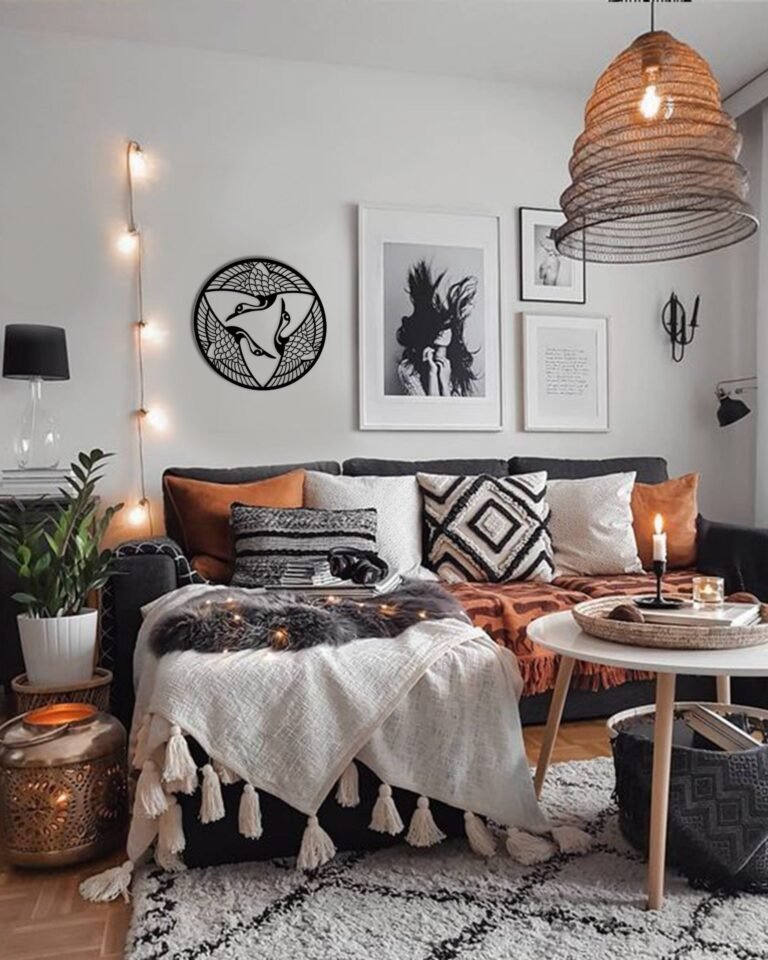
Run them along the ceiling line, tucked behind a crown molding or a simple wooden ledge. Or drape them inside sheer curtains for a diffused, ethereal effect.
Use warm white bulbs, not multicolored. And opt for lights with a thin, barely-visible wire.
When done intentionally, string lights are one of the easiest ways to add warmth to a bedroom.
10. Try an Adjustable Arm Wall Sconce
This one’s practical and beautiful at the same time.
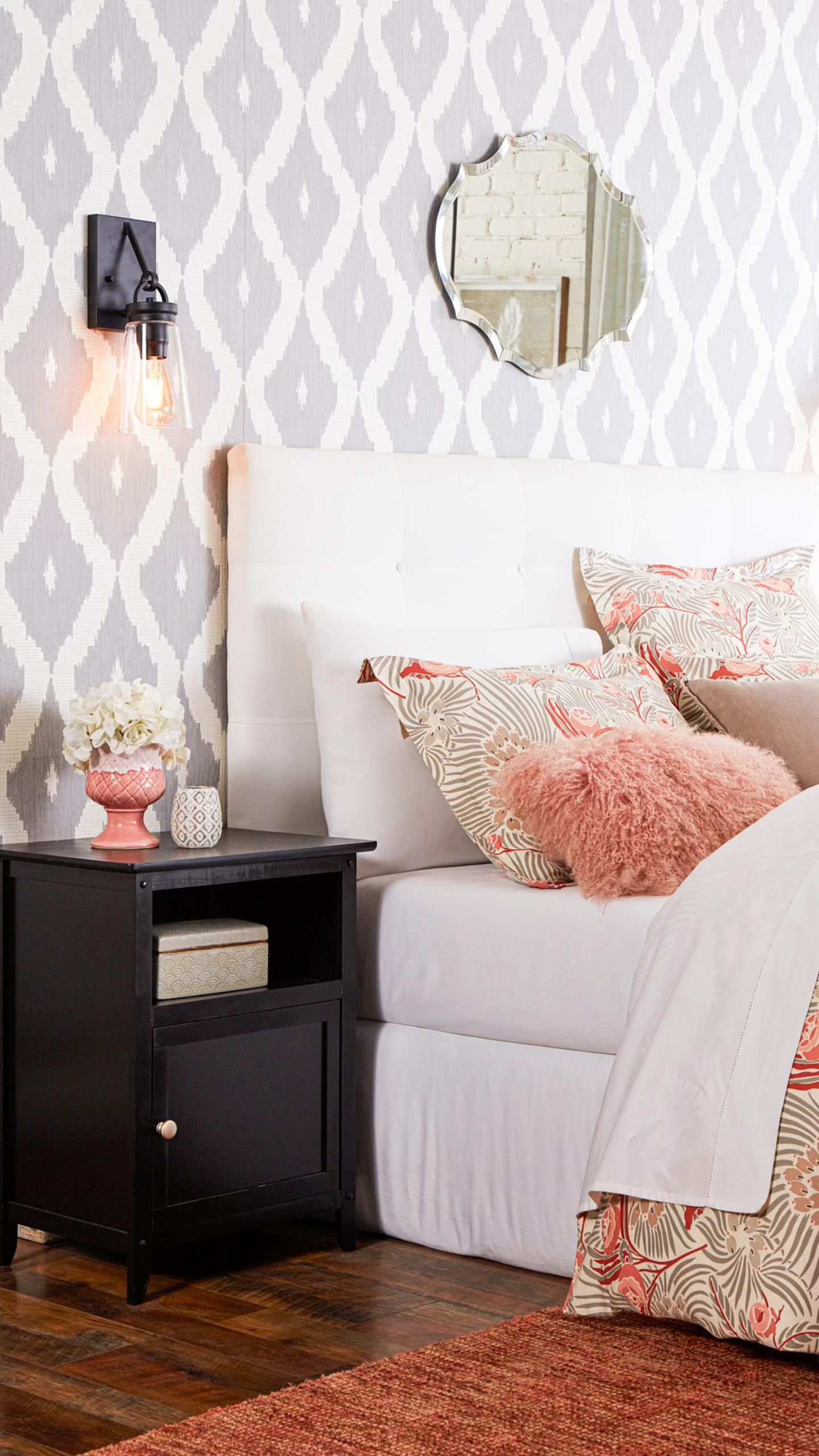
A wall-mounted sconce with an adjustable arm gives you targeted reading light when you need it and ambient glow when you don’t.
Mount one on each side of the bed, and you can ditch the bedside table lamps entirely. That frees up surface space and gives your bedroom a cleaner, more curated look.
Plug-in versions are available if you don’t want to deal with hardwiring. Look for ones with a warm metallic finish — brass, antique gold, or matte black.
11. Place a Floor Lamp in an Empty Corner
Every bedroom has that one awkward corner. Too small for furniture. Too big to ignore.
A floor lamp with a fabric shade is the perfect solution.
It fills the dead space. Adds another layer to your lighting scheme. And creates a warm pool of light that makes the room feel more expansive.
Bonus: an arched floor lamp that curves over a reading chair? That’s not just lighting. That’s a whole mood.
12. Use Candles Strategically (Not Randomly)
Candles are the original ambient lighting. But there’s a difference between “a candle on a random shelf” and a curated candle arrangement.
Group candles in odd numbers — three or five — on a tray or decorative plate. Use varying heights. Place them on a dresser, a windowsill, or a floating shelf.
If open flames make you nervous, flameless LED candles have come a very long way. Some even flicker realistically.
The point is: intentionality matters. A single candle lost on a nightstand does almost nothing. A curated cluster? That’s a statement.
13. Don’t Forget the Power of Reflected Light
Here’s something that most ambient lighting guides skip entirely.
Mirrors amplify light.
Place a mirror across from your primary light source — a window during the day, a lamp at night — and it bounces that light around the room, making the space feel brighter and larger without adding a single new fixture.
A large leaning mirror against a wall. A round mirror above a dresser. Even a mirrored tray on a nightstand.
These aren’t just decorative. They’re functional lighting tools.
14. Control the Light You Already Have With Sheer Curtains
Sometimes ambient lighting isn’t about adding more.
It’s about softening what’s already there.
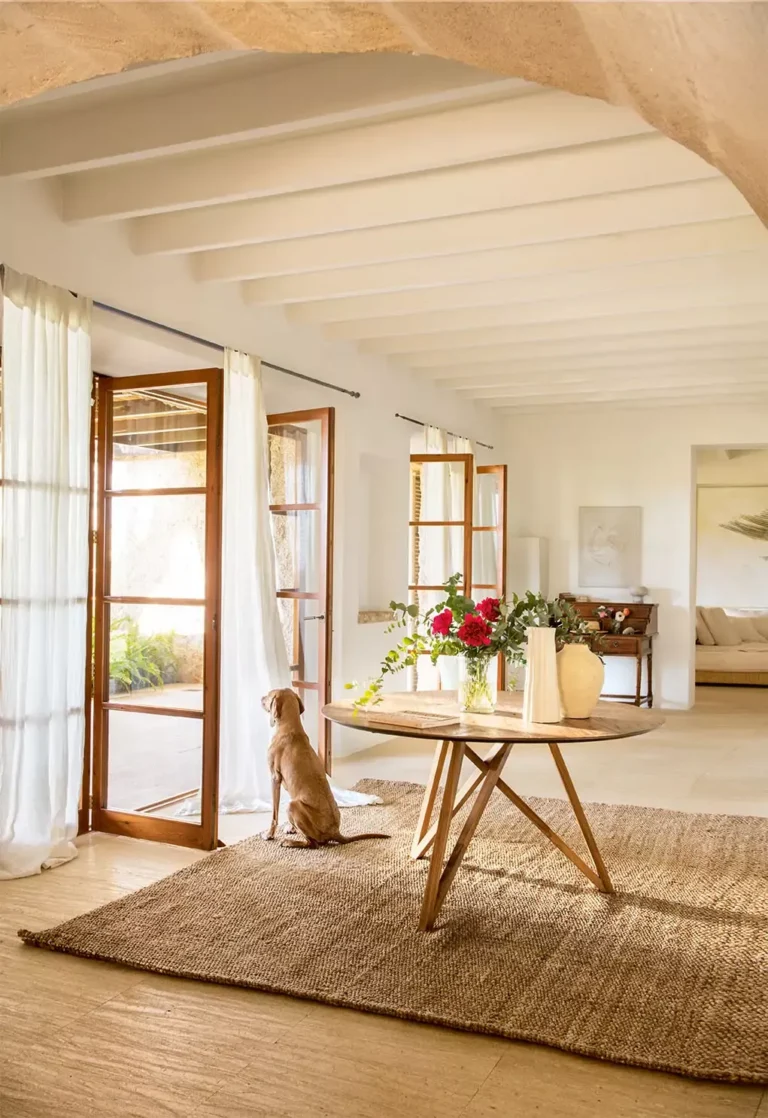
Heavy blackout curtains are great for sleep. But during golden hour, a set of sheer curtains filters sunlight into the most gorgeous natural ambient glow you’ll ever get.
Layer them. Sheers underneath for daytime diffusion. Blackout curtains on top for when you’re ready to sleep.
Your bedroom gets the best of both worlds.
The Mistake Almost Everyone Makes
Before I let you go, let me flag one thing.
The biggest mistake with bedroom lighting isn’t choosing the wrong bulb or the wrong lamp.
It’s doing everything at once with zero plan.
People buy five new light sources, throw them all in, and the room feels chaotic instead of calm.
Start with one or two changes from this list. Live with them for a week. Then add another layer.
Ambient lighting is a conversation between sources. Let each one speak before you add the next voice.
Your Bedroom Deserves Better Than That Overhead Light
Look — you spend roughly a third of your life in your bedroom.
You deserve a space that feels like a refuge, not a storage room with a bed.
Every single tip in this article is something you can act on without calling a contractor, without blowing your budget, and without any design experience.
Pick one tip. Start tonight. See how it feels.
Then come back, pick another, and keep building.
Because the bedroom you’ve been dreaming about? It’s not as far away as you think.
It might just be one dimmer switch away.